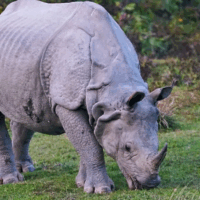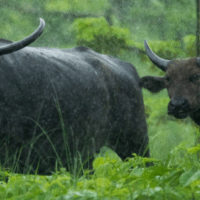
Pobitora Wildlife Tour
View More



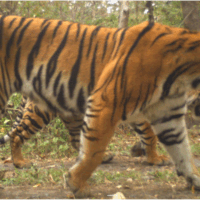

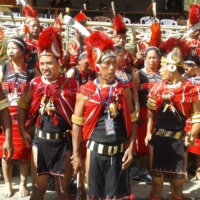
Photographing the spectacular Hornbill festival & rich cultural heritage of North East India
View More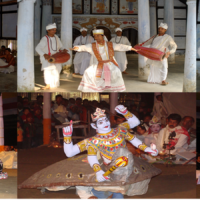
Rass Utsav of Majuli. – Camping Expedition 2019
View More
Eastern Region of India Tour Packages (We also arrange customized tours to other regions across...
View More
Welcome to Northeast India — a region abundant in natural beauty, cultural richness, and endless...
View More
Assistance on arrival. Transfer to Hotel in Imphal. If time permits visit Govindajee Temple and...
View More
Welcome at international airport by our tour manager /transfer to the Hotel /small briefing regarding...
View More# TEA TOUR Mention Only in Assam #
(We make all the arrangements for other TEA TOUR places also)
🌿 Assam Tea Tourism – The Call of the Fragrant Gardens 🍃
Assam is the heartland of world tea. Vast stretches of lush green tea gardens, rolling blue hills, and the soft rustle of fragrant tea leaves together create a sense of peace and unmatched beauty.
Walking along the winding paths of the tea estates, admiring the colonial bungalows, watching tea pluckers at work, and finally savoring a hot cup of authentic “Assam Tea” — all of these experiences combine to make your journey truly unforgettable.
With Sarothi Tourism’s exclusive Tea Tourism Package, you will enjoy —
🌱 Guided tours and photography in tea gardens
🍃 Hands-on tea plucking experience
☕ Live demonstrations of tea processing
🏡 Eco-stay at charming tea estate guest houses
🎶 Cultural performances within the tea gardens
The aroma of Assam Tea and the greenery of its estates will leave behind memories you will cherish forever.
👉 Come, experience the charm of Assam Tea Tourism with Sarothi Tourism.
The story of Assam Tea dates back to 1823, when British officer Robert Bruce claimed its discovery in Assam. However, the Singpho tribes of Assam and Arunachal Pradesh had already been cultivating and consuming tea as a medicinal herb for centuries.
Today, Assam has over 800 large tea estates and nearly 60,000 small tea growers, spread across about 300,000 hectares of land. Tea cultivation employs nearly 17% of the state’s workforce. Assam produces around 55% of India’s total tea and contributes nearly 80% of the country’s exports.
Tea estates in Assam are also historically linked with golf. Nearly 20 tea–estate golf courses exist, originally developed by British planters to enrich their lifestyle. These estates are now being transformed into premium holiday and tourism destinations for international visitors.
In 1833, the British sent George Gordon to China to study tea cultivation methods. He brought back samples of the Chinese Camellia sinensis plants and workers to Assam. Although the native variety was less commercially viable, it was more suited to the local environment. By crossbreeding local and Chinese varieties, a perfect hybrid was developed, which is now globally known as Assam Tea.
In 1911, the Tocklai Tea Research Institute was established in Jorhat — the oldest and largest tea research centre in the world. It introduced scientific methods for soil testing, fertilizer application, tea planting, and processing techniques.
In 2007, Assam Tea received the Geographical Indication (GI) tag, and some regions in the state also produce small quantities of organic traditional teas.
For better trade and marketing, the Guwahati Tea Auction Centre was set up in 1970, which continues to handle the bulk of Assam’s tea sales. On average, Assam produces over 550 million kilograms of tea annually, delighting and refreshing more than 85% of Indian tea drinkers every day.
Visiting a tea estate in Assam is an unforgettable experience — from strolling through vast plantations and staying in colonial-style bungalows, to enjoying golf in the middle of lush tea gardens. For instance, the Kaziranga Golf Resort in Jorhat features India’s first 18-hole, par-71 championship golf course built inside a tea estate. The heritage planters’ bungalow now serves as a club house, complete with a golf academy and training facilities, making it a unique luxury destination.